


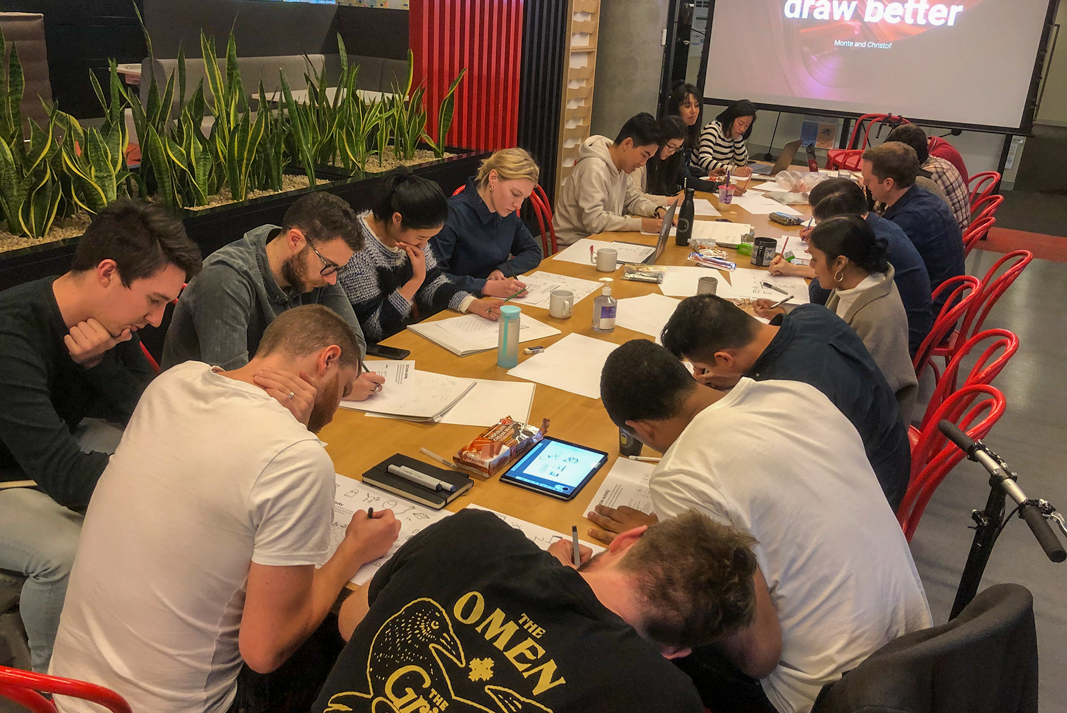
I facilitated 20+ sketching workshops for 100+ team members across CBA and AgriWebb, shifting teams from "I can't draw" to regularly thinking on paper before jumping to screens.
with Mary Nolan
Section 01 – The challenge
Martyn Frank, Agile coach at CommBank, hesitated to sketch until a single workshop changed his approach. Months later, he was running his own sessions – proving these workshops weren't about teaching art, but unlocking drawing as a practical tool for thinking.
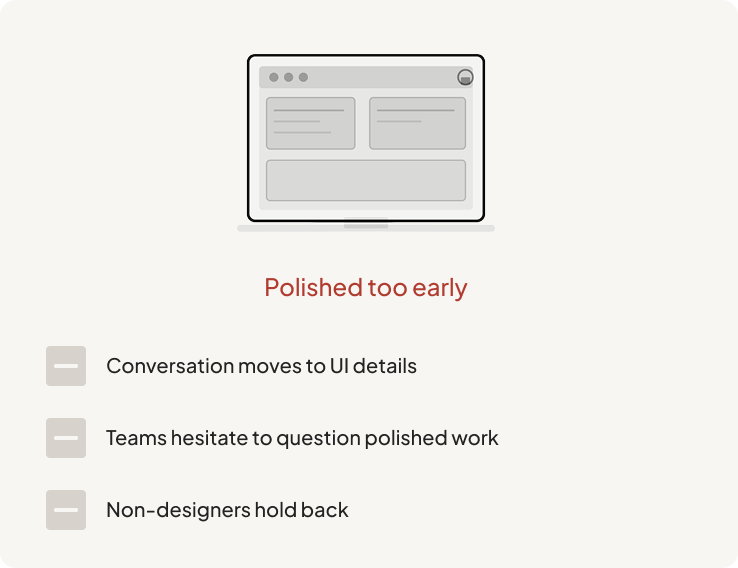
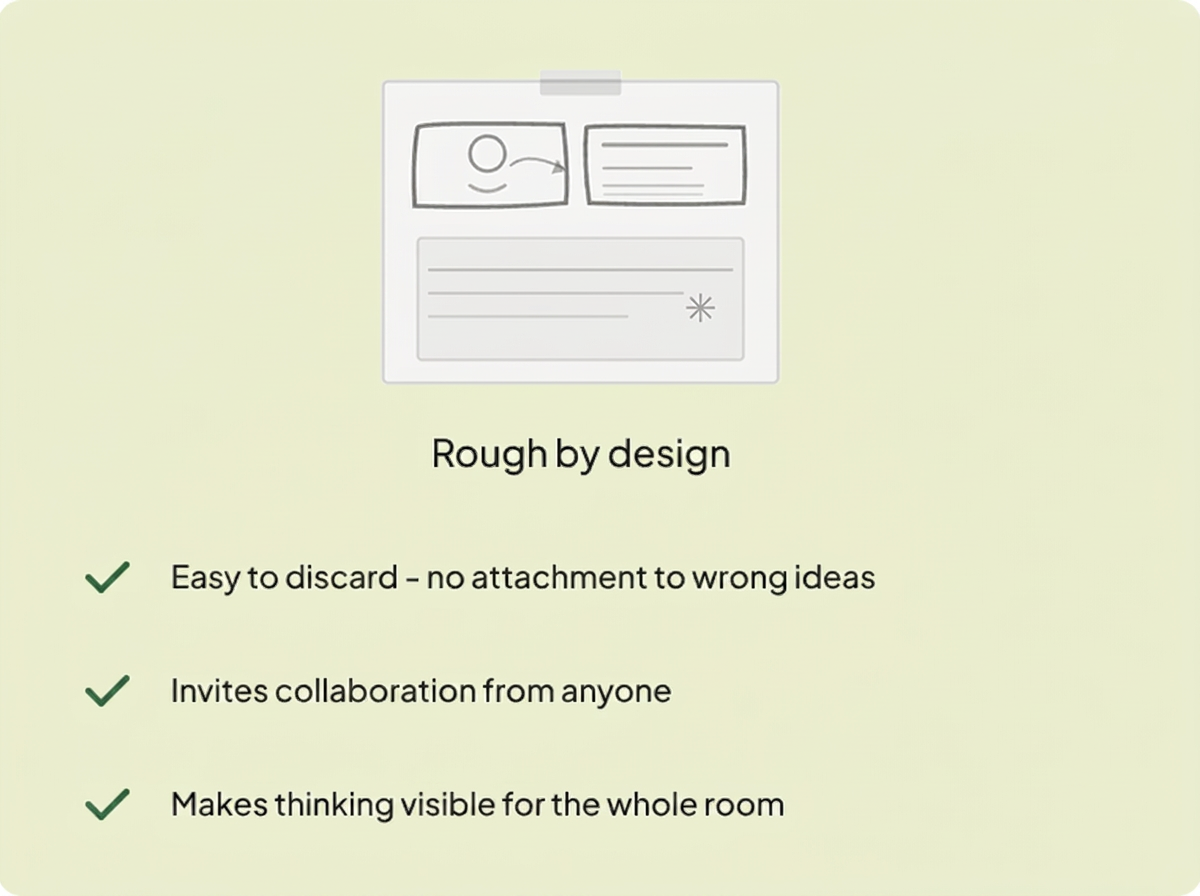
During critiques and discovery, teams routinely jumped straight into digital tools. Polishing screens too early shifted conversations toward UI details rather than the core problem, while most non-designers held back, claiming, "I can't draw."
The barrier wasn't creative ability; it was a misconception. Sketching isn't about producing art – it makes thinking visible. Because rough sketches are unfinished, they are easy to discard, invite collaboration, and prevent early convergence on flawed ideas. Digital tools create a false sense of certainty, making teams reluctant to question polished work.
The challenge wasn't teaching people to draw – it was reframing drawing as a fast, accessible way for anyone to explore ideas together.
Section 02 – The process
Demystifying sketching
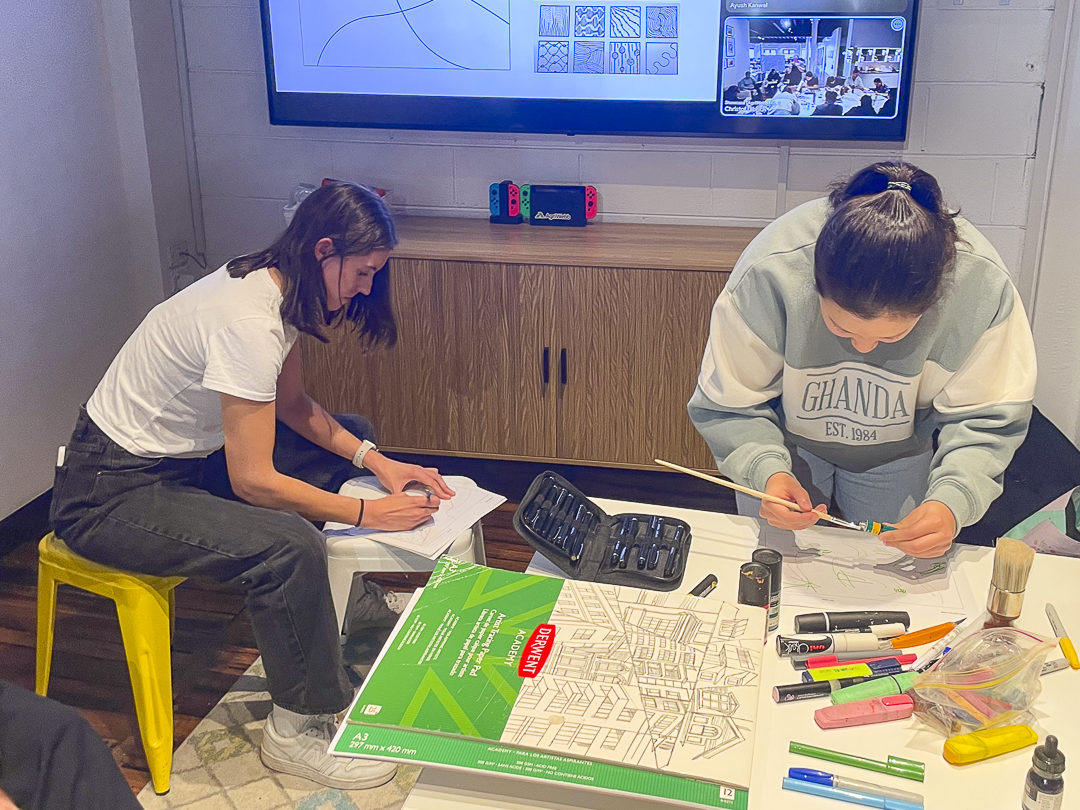
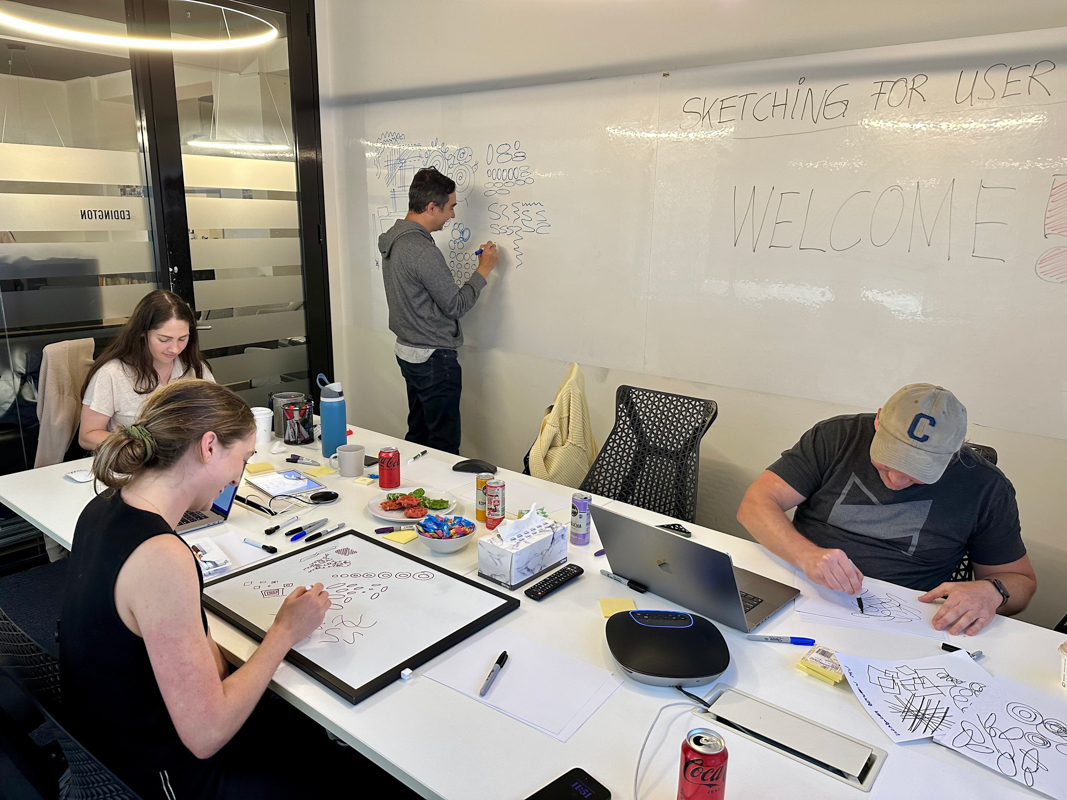
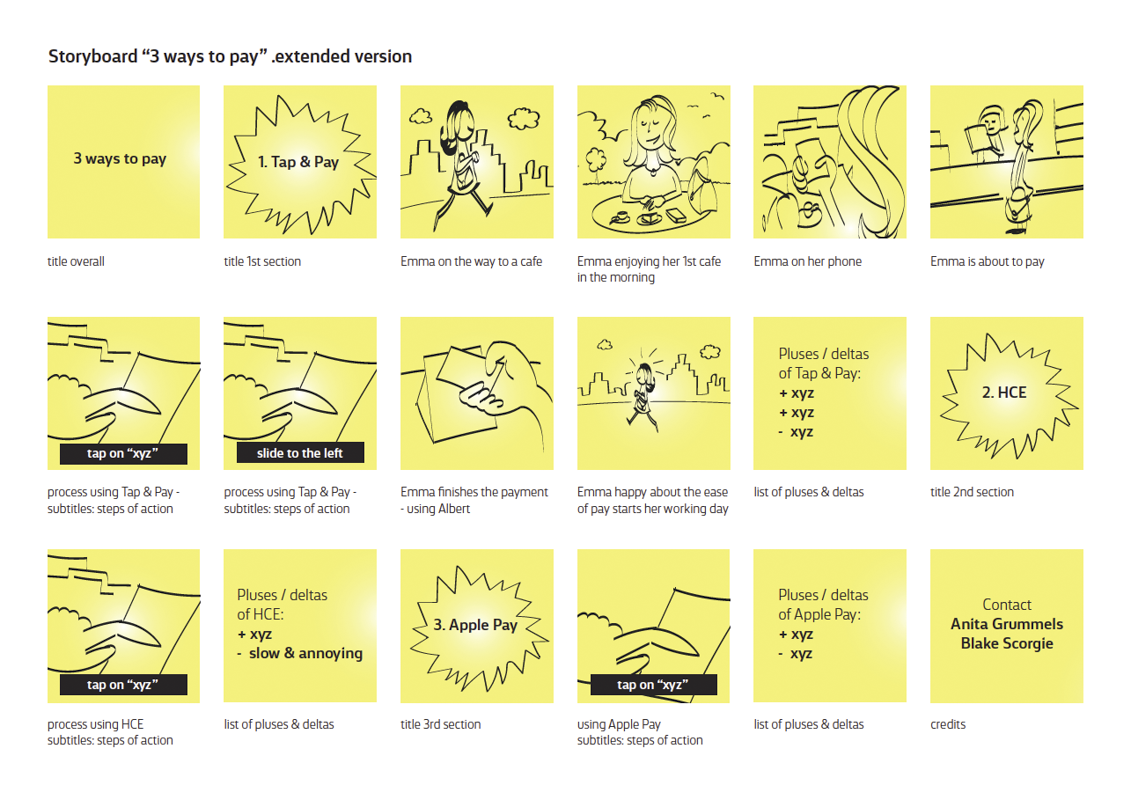
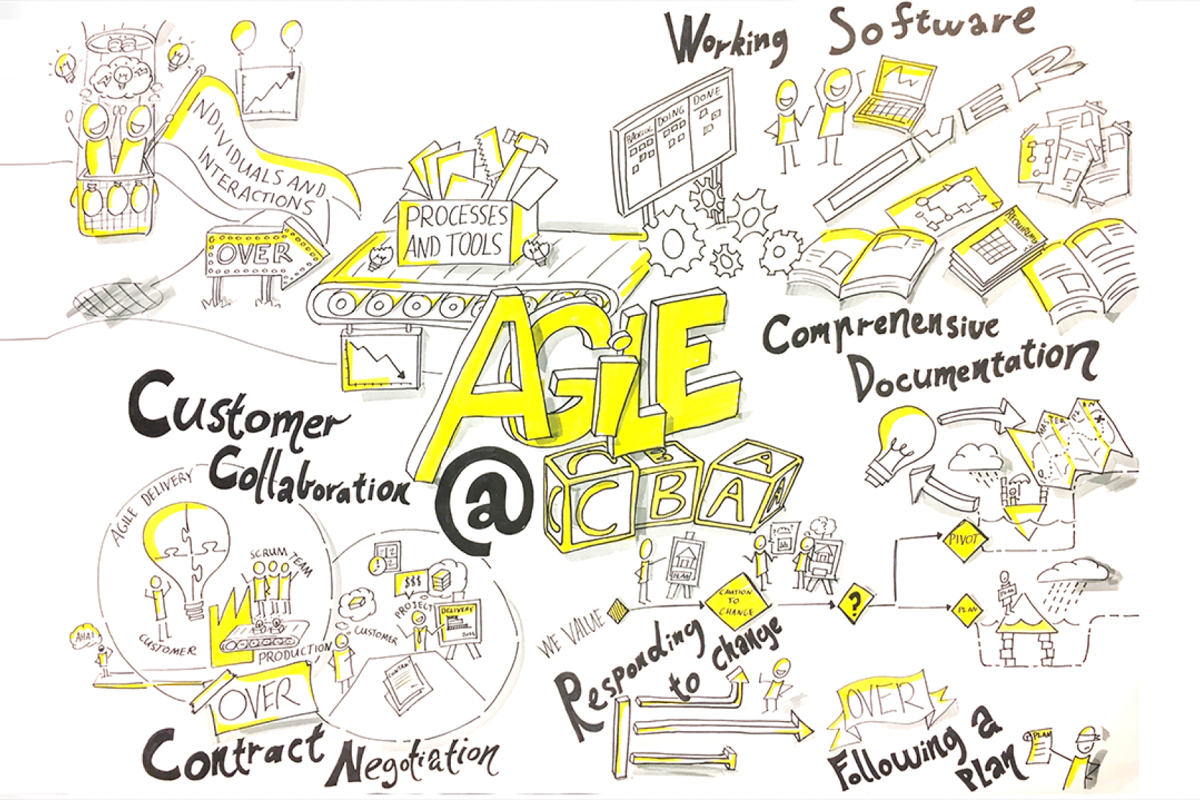
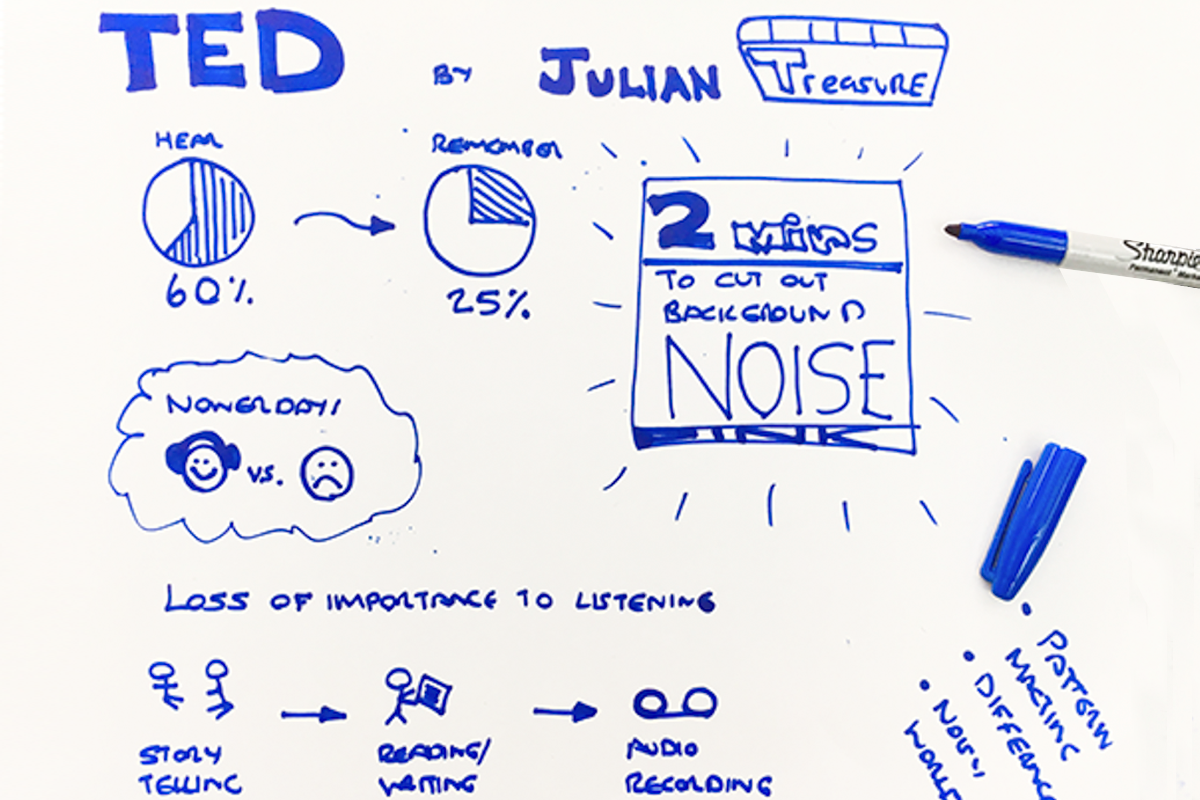
To shift perceptions around drawing, my workshops prioritized confidence over technique. Rather than teaching art, I framed sketching as a collaborative thinking tool that externalizes ideas so teams can build on them.
Where it ran
At CommBankI co-facilitated bi-weekly one-hour sessions with Senior UX Designer Mary Nolan. Between 10 and 20 people attended each session, drawn from across the organisation. The series ran for over a year.
At AgriWebbI ran three workshops: two focused sessions for the Product team of eight, and a company-wide session attended by more than 40 colleagues from Engineering, Product, Sales, Marketing, and Customer Support.
Although the audiences varied, every workshop followed the same design principles.
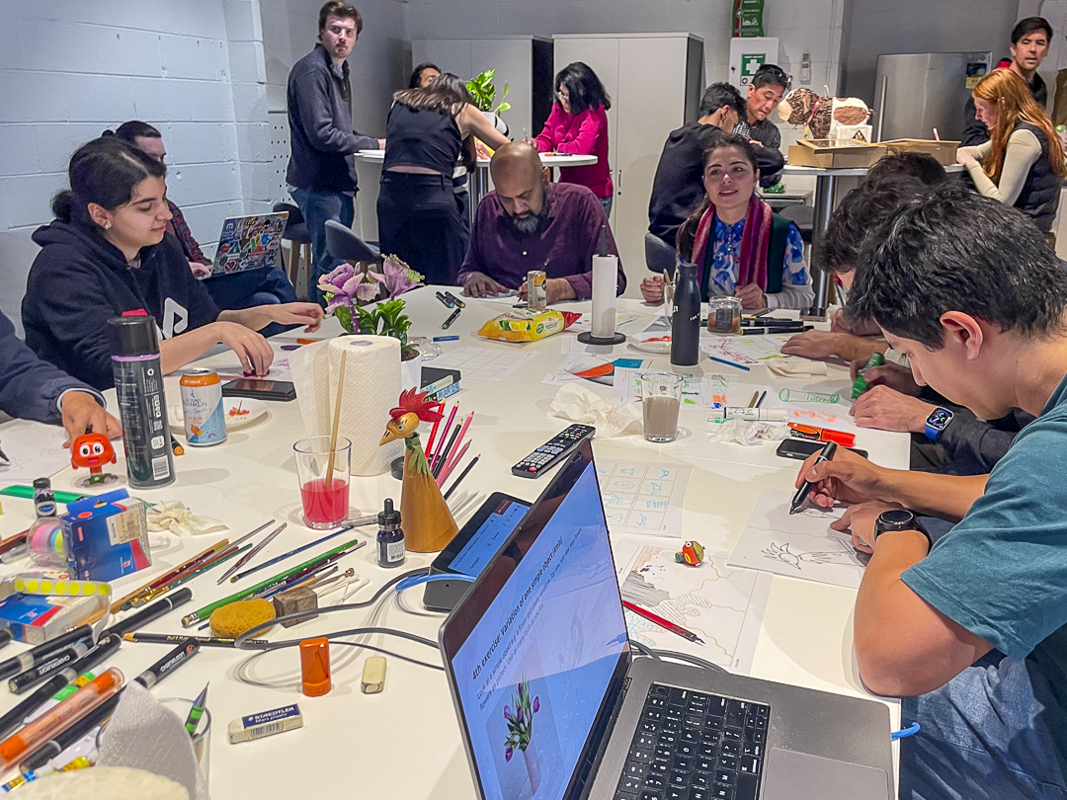
How the workshops were designed
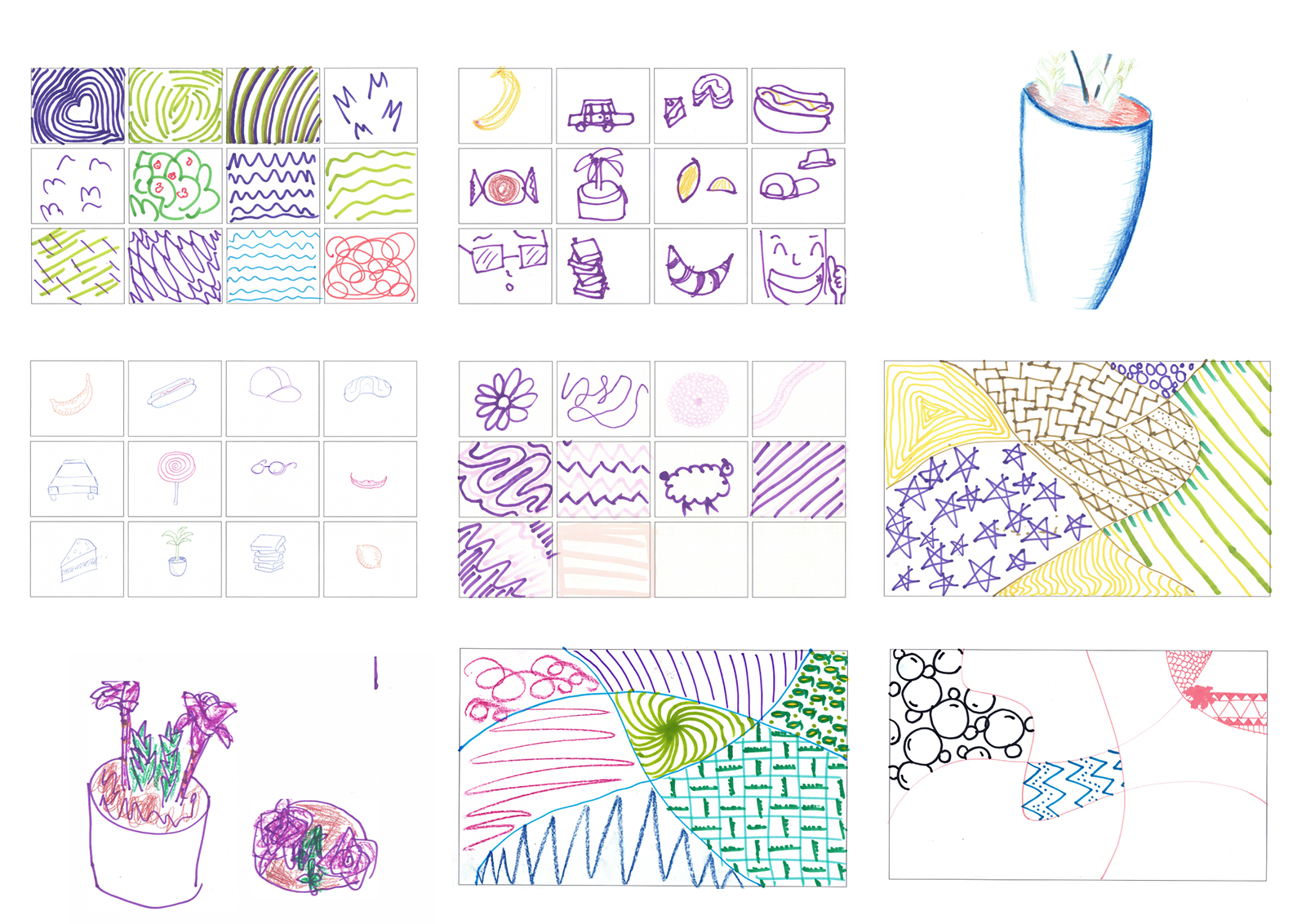
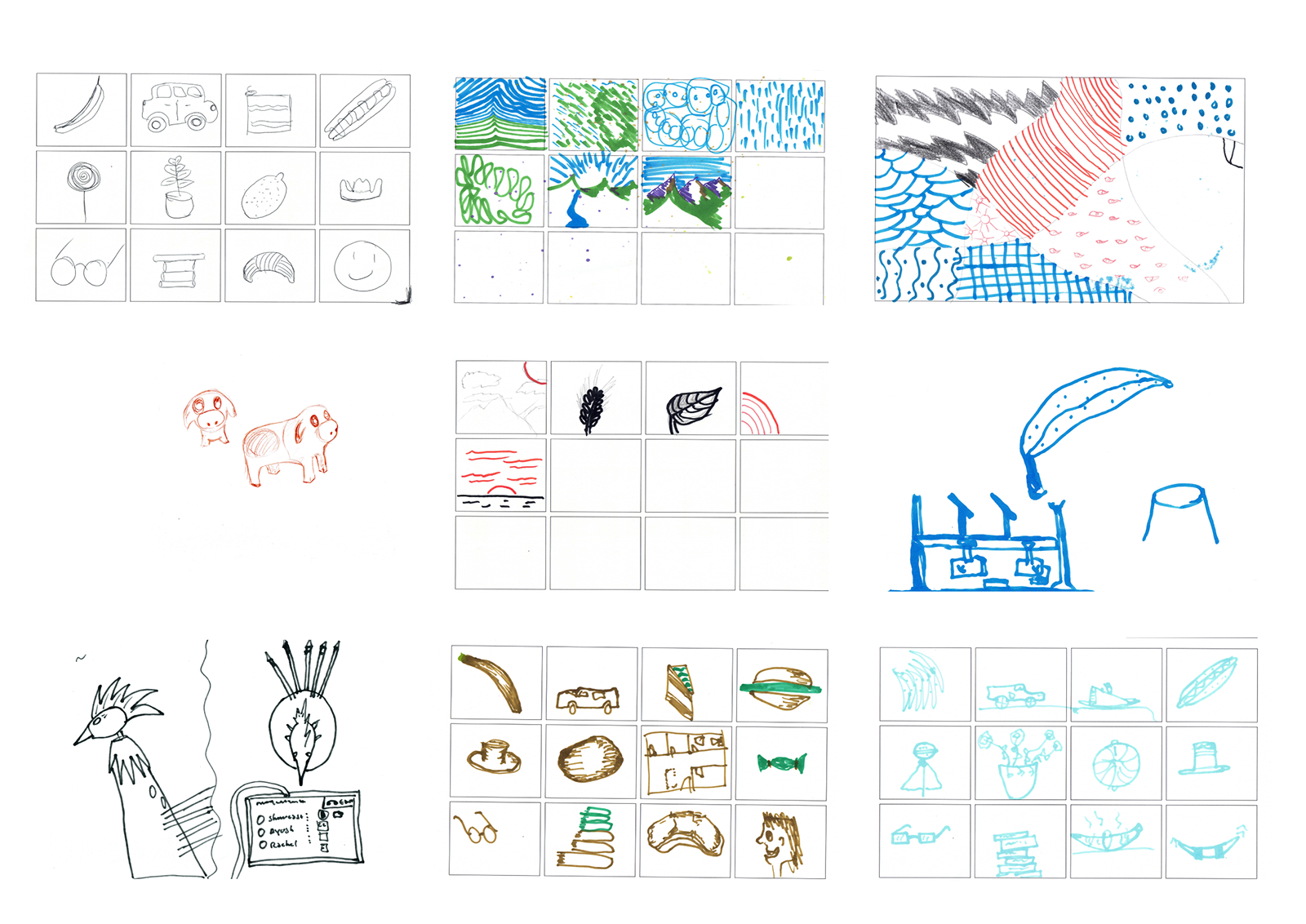
Lower the barrier to entryStart with simple exercises that anyone can complete.
Make thinking visibleUse sketching to externalise ideas and invite discussion.
Learn by doingBuild understanding through experience rather than instruction.

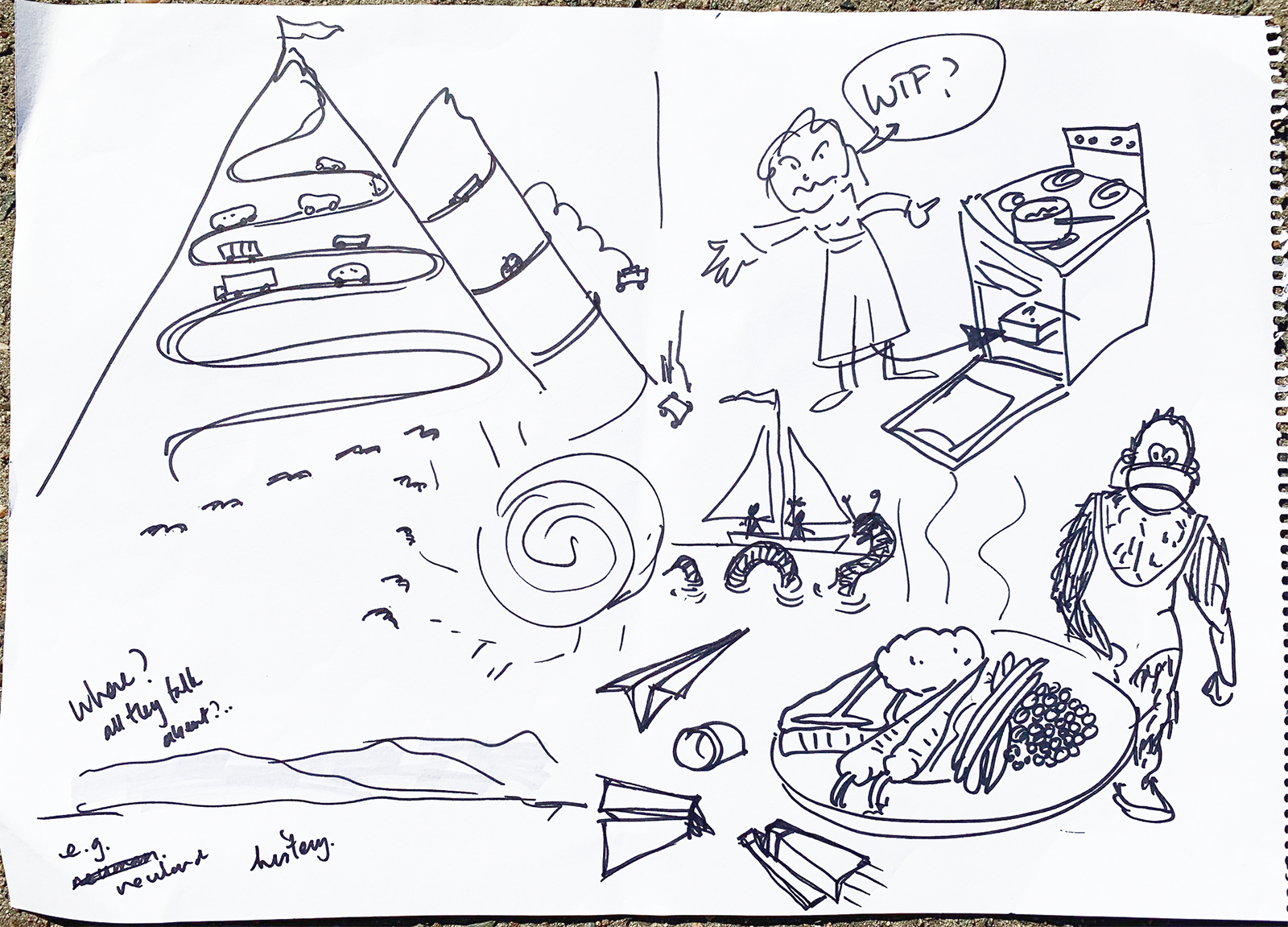
Normalise imperfectionRough sketches encourage exploration and reduce attachment to ideas.

Section 03 – Outcome & impact
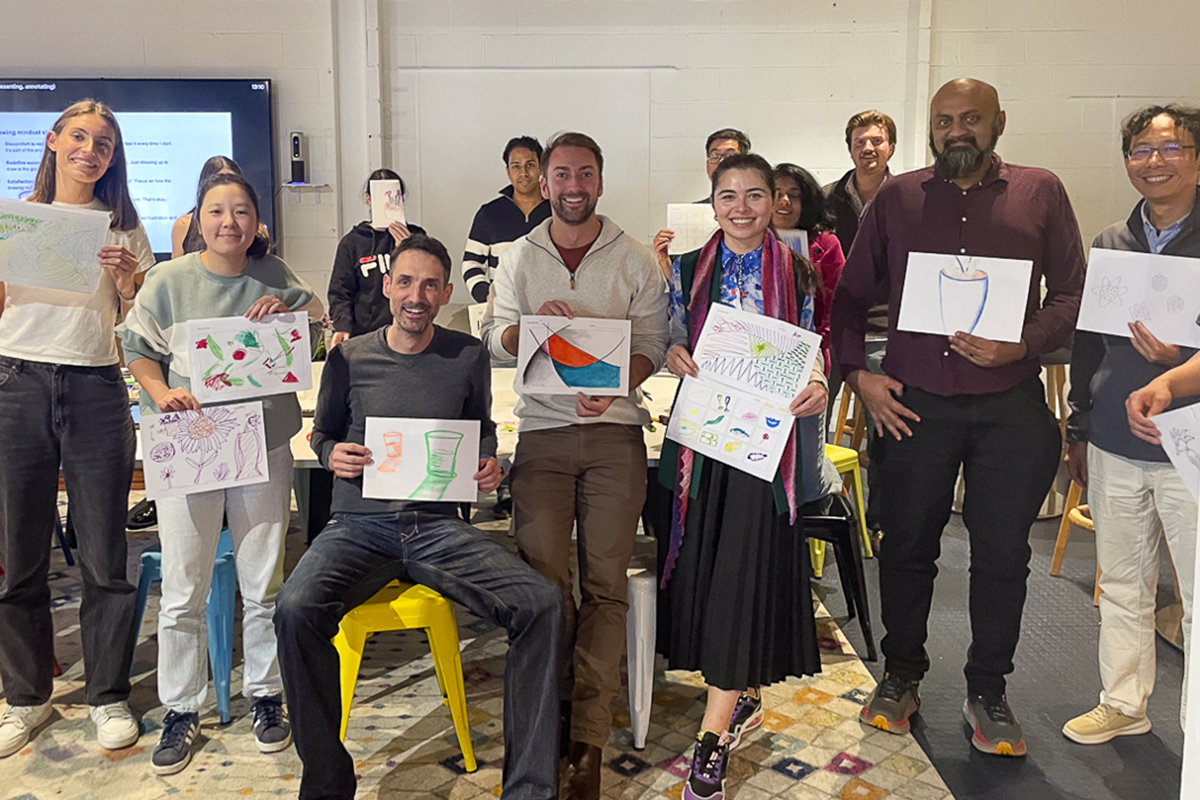
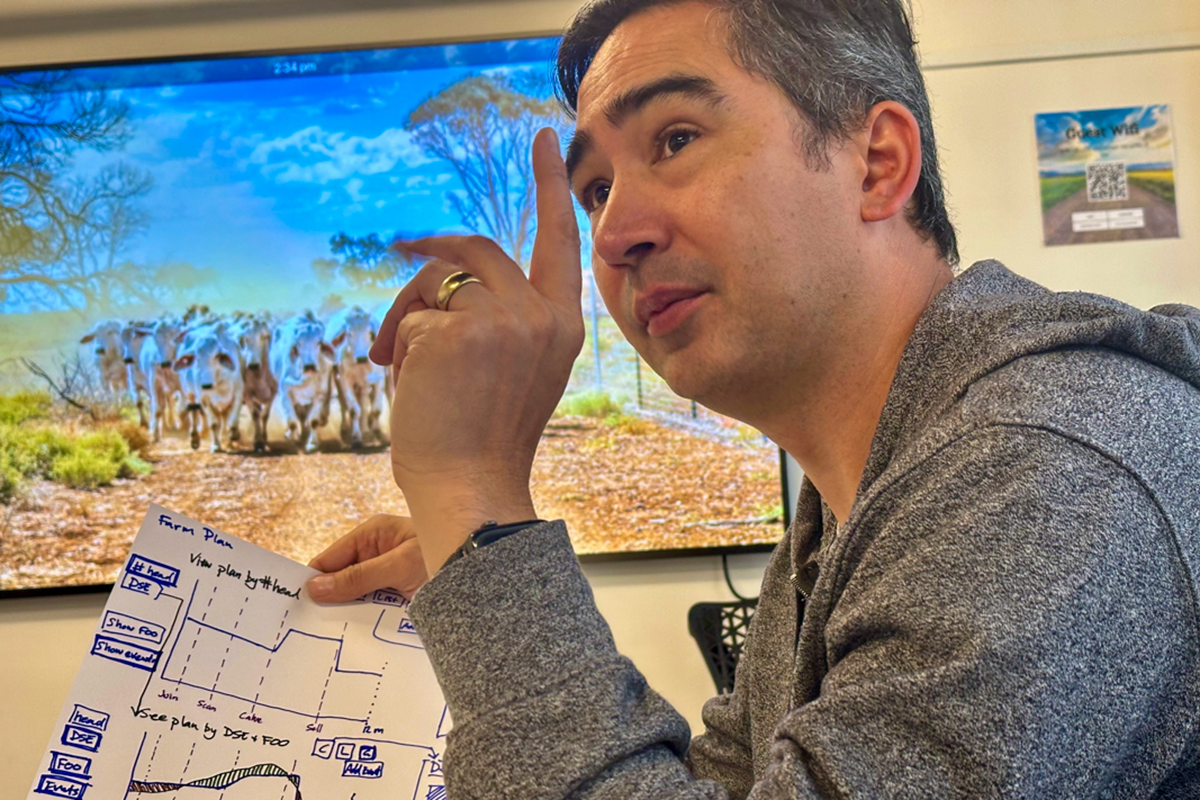
The biggest impact wasn't better drawing – it was a shift in mindset. Participants who claimed they "couldn't draw" began using quick sketches in workshops, planning, and discovery, focusing conversations on exploring ideas rather than reviewing polished mock-ups.
Key outcomes included:
Broader participationNon-verbal contributors gained a new way to share ideas, making ideation more inclusive across disciplines.
Faster explorationDesigners explored directions faster before building digital prototypes, while non-designers communicated concepts without specialist software.
Earlier adoptionTeams routinely reached for paper before opening Figma or writing documentation.
Key takeaways
Changing behavior starts with changing beliefs, not teaching technical skills. The goal wasn't turning people into artists, but creating a space where they felt safe to think out loud, experiment freely, and communicate unformed ideas together.
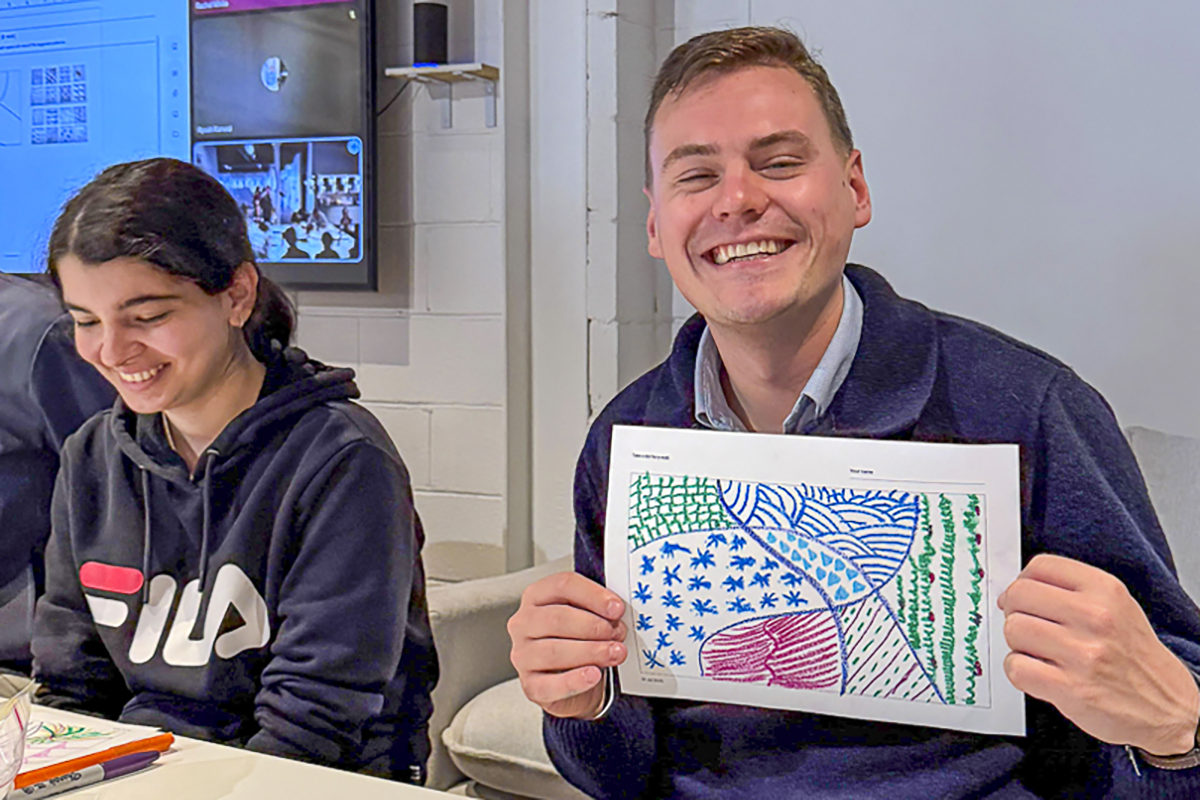
"I always thought drawing was something designers did. Now I use quick sketches in planning sessions to explain ideas."