


I contributed to AgriWebb's design practice for three years, working with customers rare for SaaS – genuinely invested, always willing to show us where the product fell short – to design for conditions most digital products never face.
Section 01 – The context
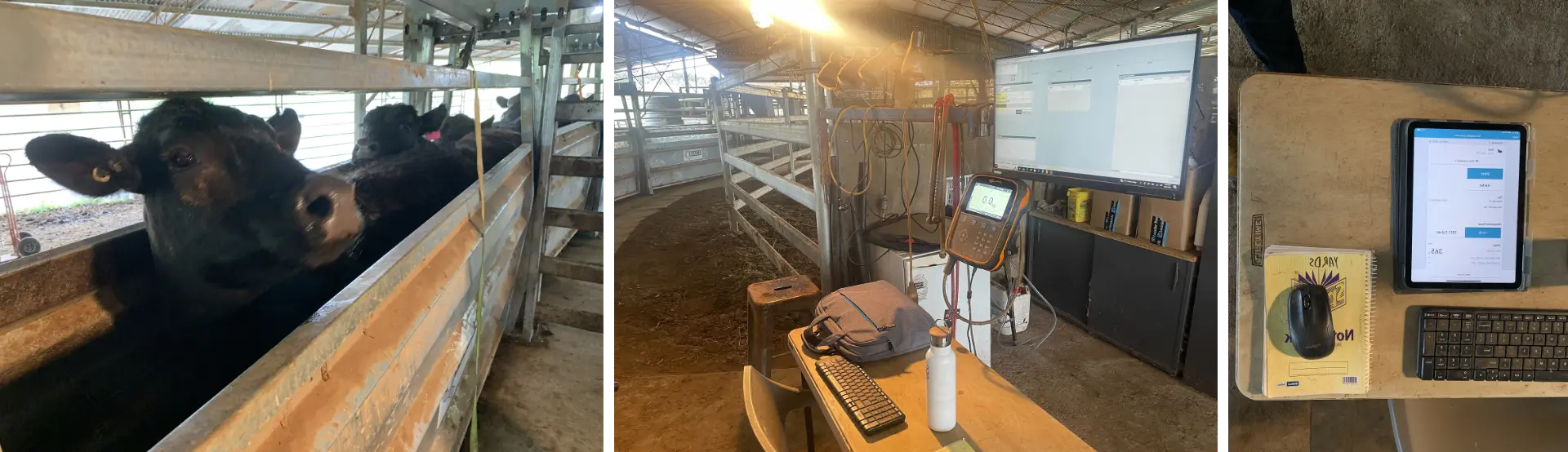
AgriWebb serves two worlds: field workers on horseback, in tractors, and in helicopters, and managers at a desk. Same product, very different conditions. The design challenge is making complex livestock and land management data genuinely usable in environments most digital products are never tested in. The product principle is simple: guide farmers to success.
Section 02 – How we worked
The design process relied on direct, rapid access to AgriWebb’s highly engaged user base. Farmers provided immediate feedback on real workflows, allowing the team to validate ideas quickly and build practical solutions grounded in the reality of running a farm.
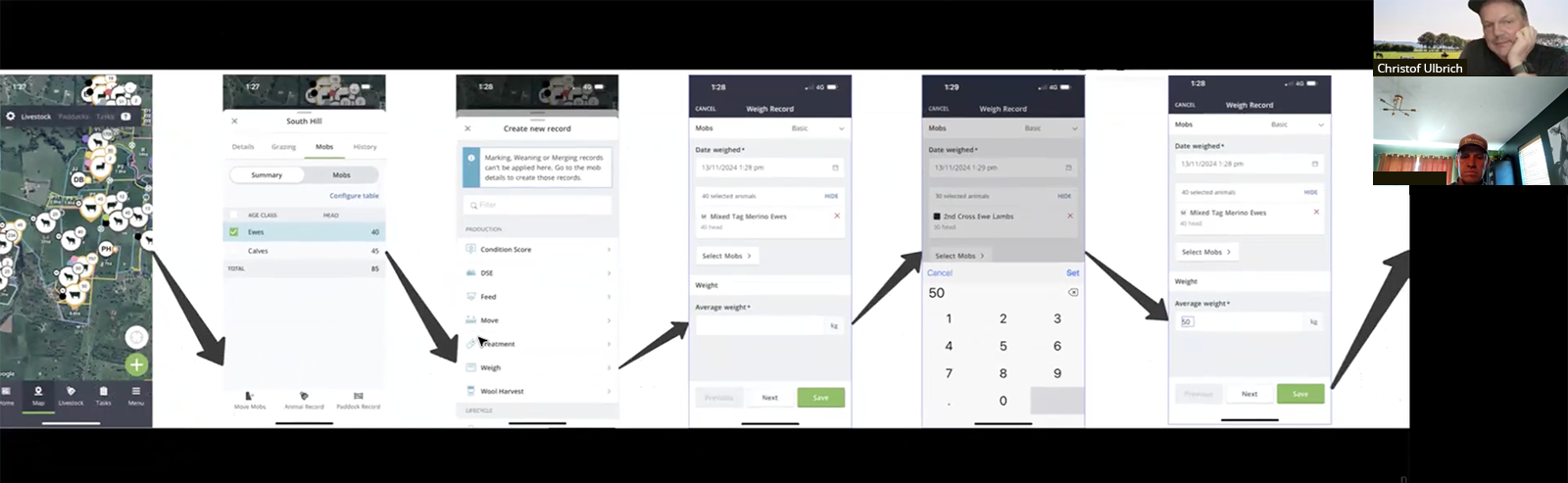
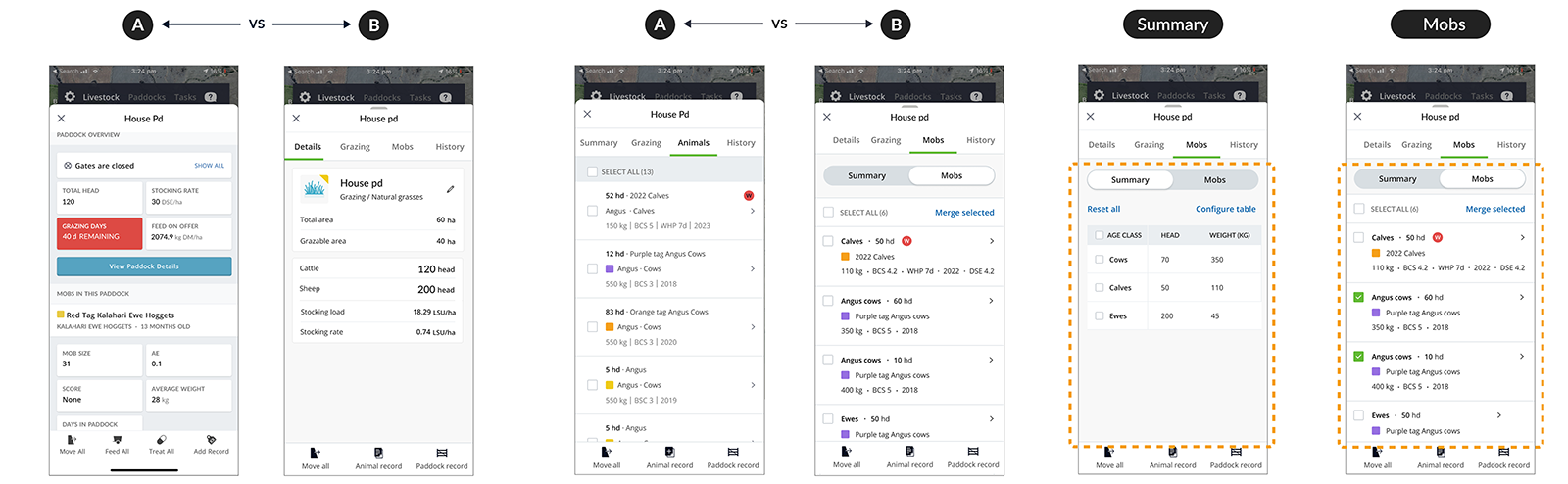
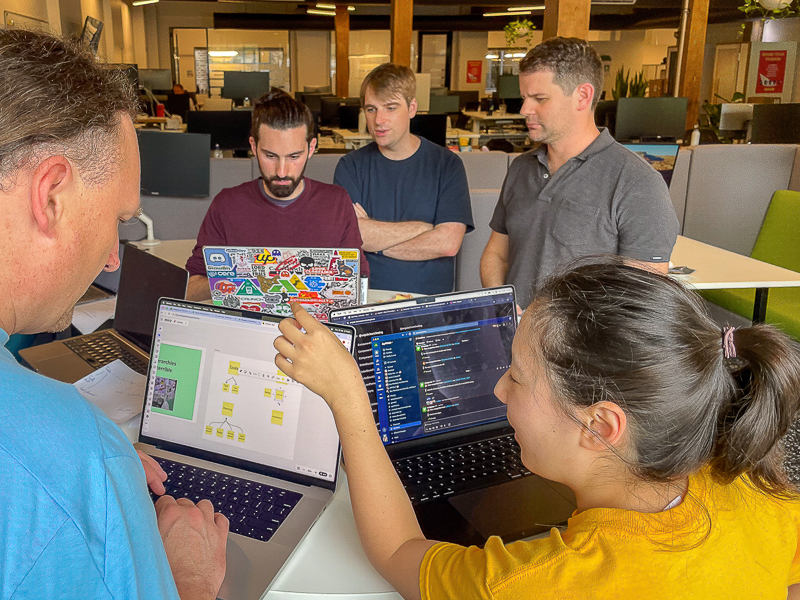
Ideation began with hand sketches or Miro to align the multidisciplinary team before moving into Figma. The design system accelerated iterations for existing features, while AI tools like Figma Make and Claude Code cut prototyping time from days to hours by generating testable, real-code prototypes.
Continuous feedback drove our design practice – from daily engineering stand-ups and leadership syncs to direct customer support. A Zoom call with a farmer to validate micro-decisions was always just a message away.
"It's not about what we feel good about. It's what a customer feels. Their job is not to use AgriWebb – their job is to run a farm, and we are there to support them running a farm more easily."
"A farmer can be 'very comfortable' embracing new technologies and choose not to adopt them – technology adoption is not a binary question, it is an ongoing process."
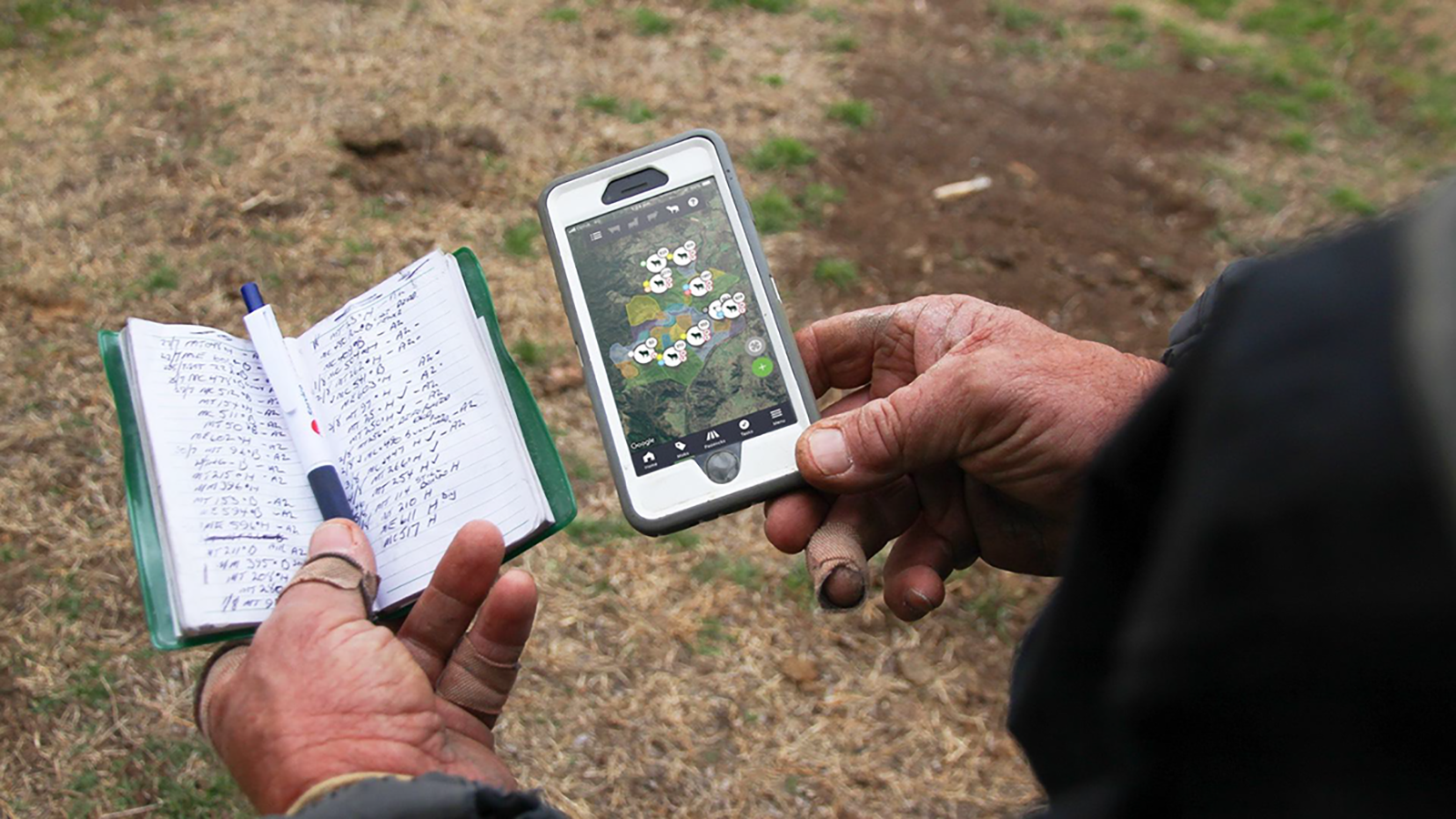
Overcoming tech adoption friction
Section 03 – Challenges faced
Farming is a complex domain with a steep learning curve. To design effectively for livestock and land management, designers bridged this gap by learning directly from the source: agronomists, agtech experts, industry bodies, and farmers.
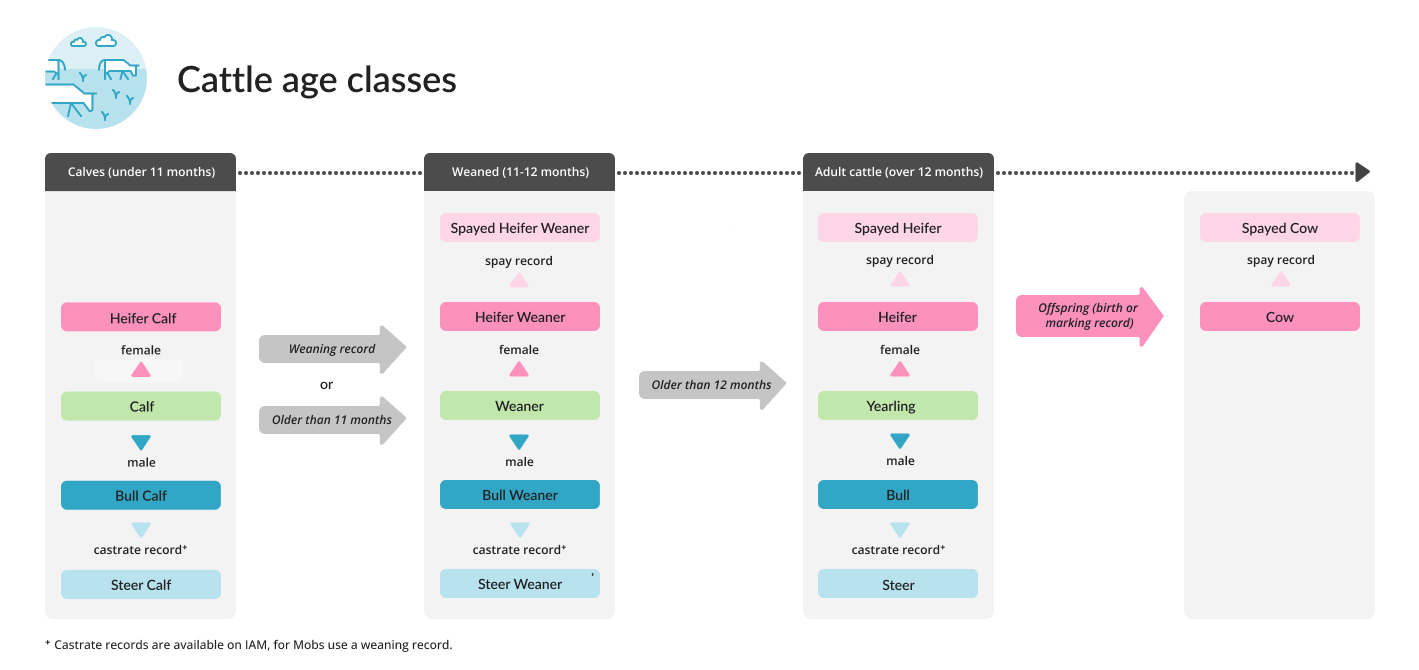
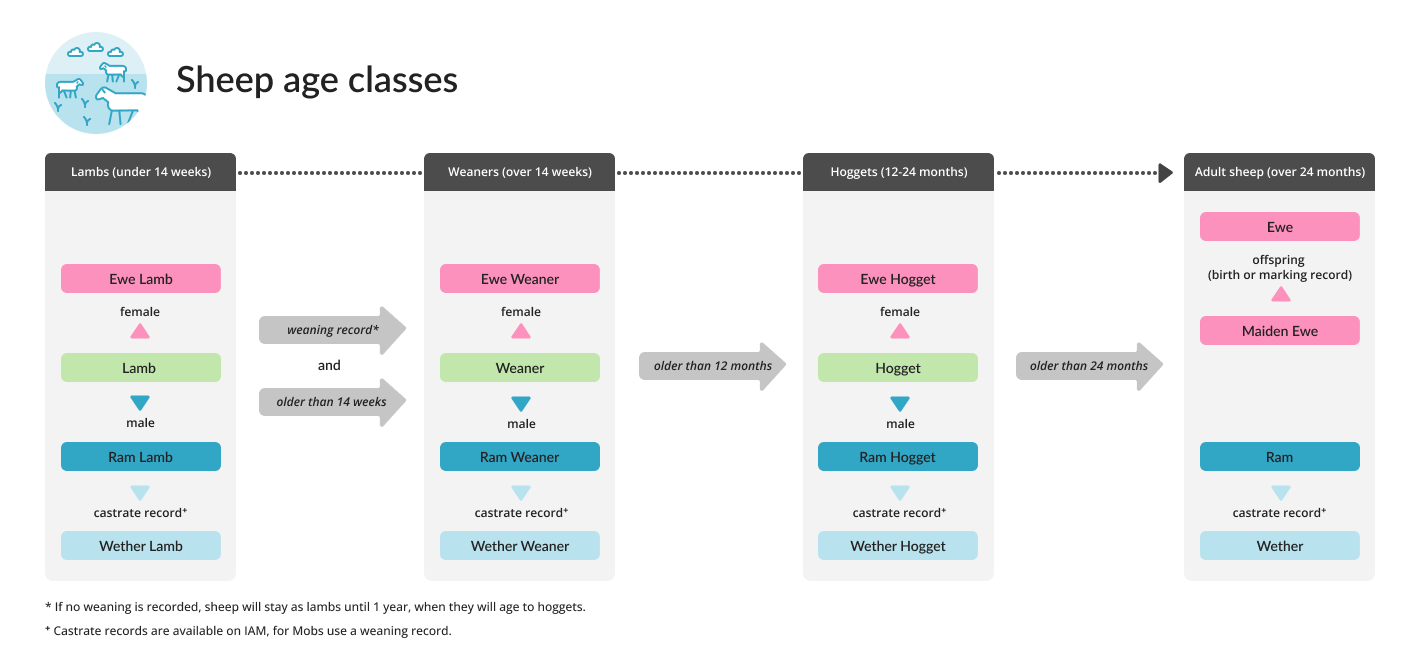
Listening to and learning from our customers at the Henty Machinery Field Days
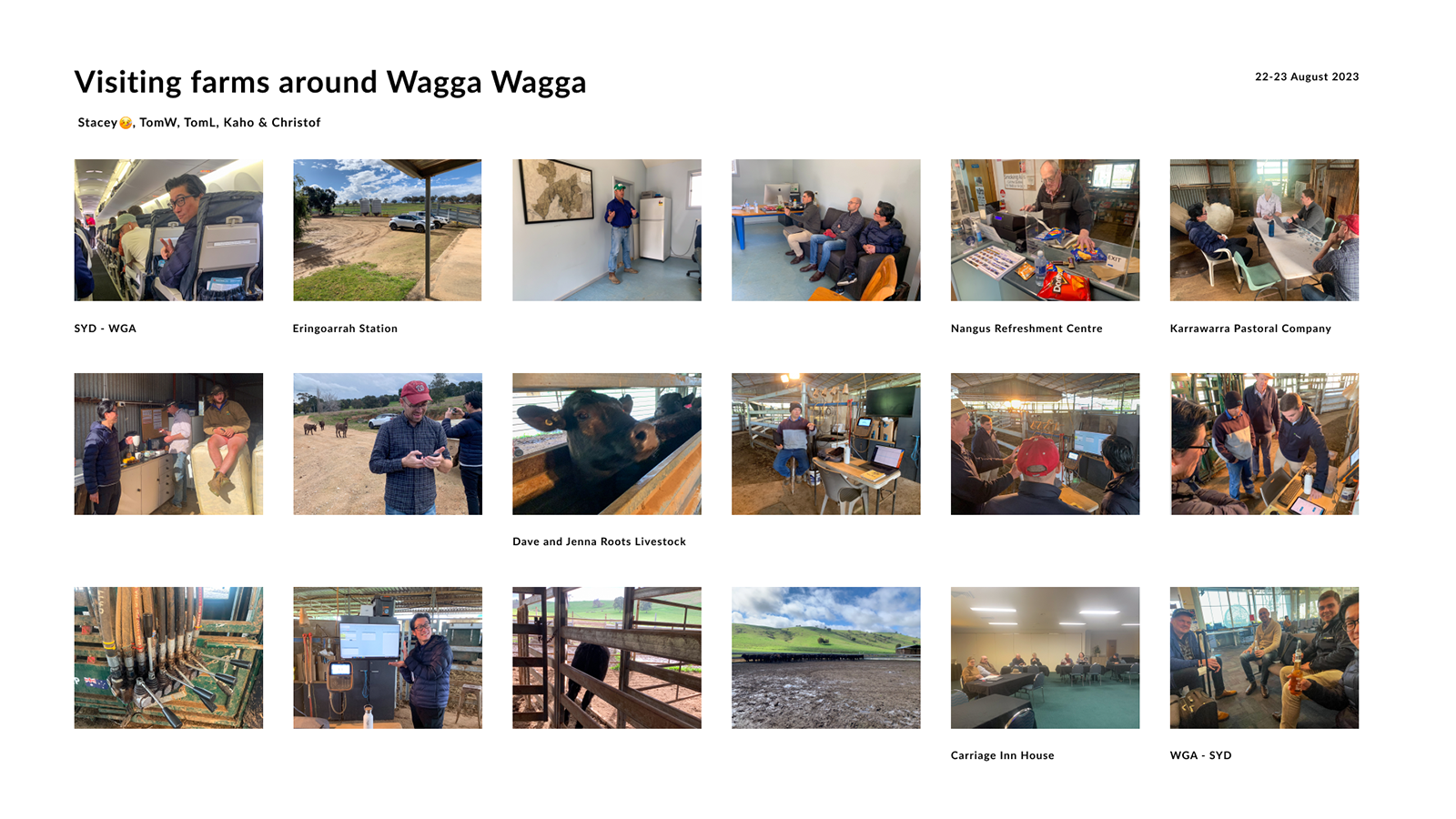
Visiting farms around Wagga Wagga
Section 04 – From Agile to Shape up
Problem2-week sprints led to continuous backlogs, scope creep, and burnout.

SolutionAdopted Shape Up, using 6-week cycles with fixed time constraints ("appetite").

Key benefitIncreased autonomy for teams to self-manage and ship software predictably.

Ongoing challengeAccurately sizing work across hybrid, multi-time-zone teams without micromanaging.

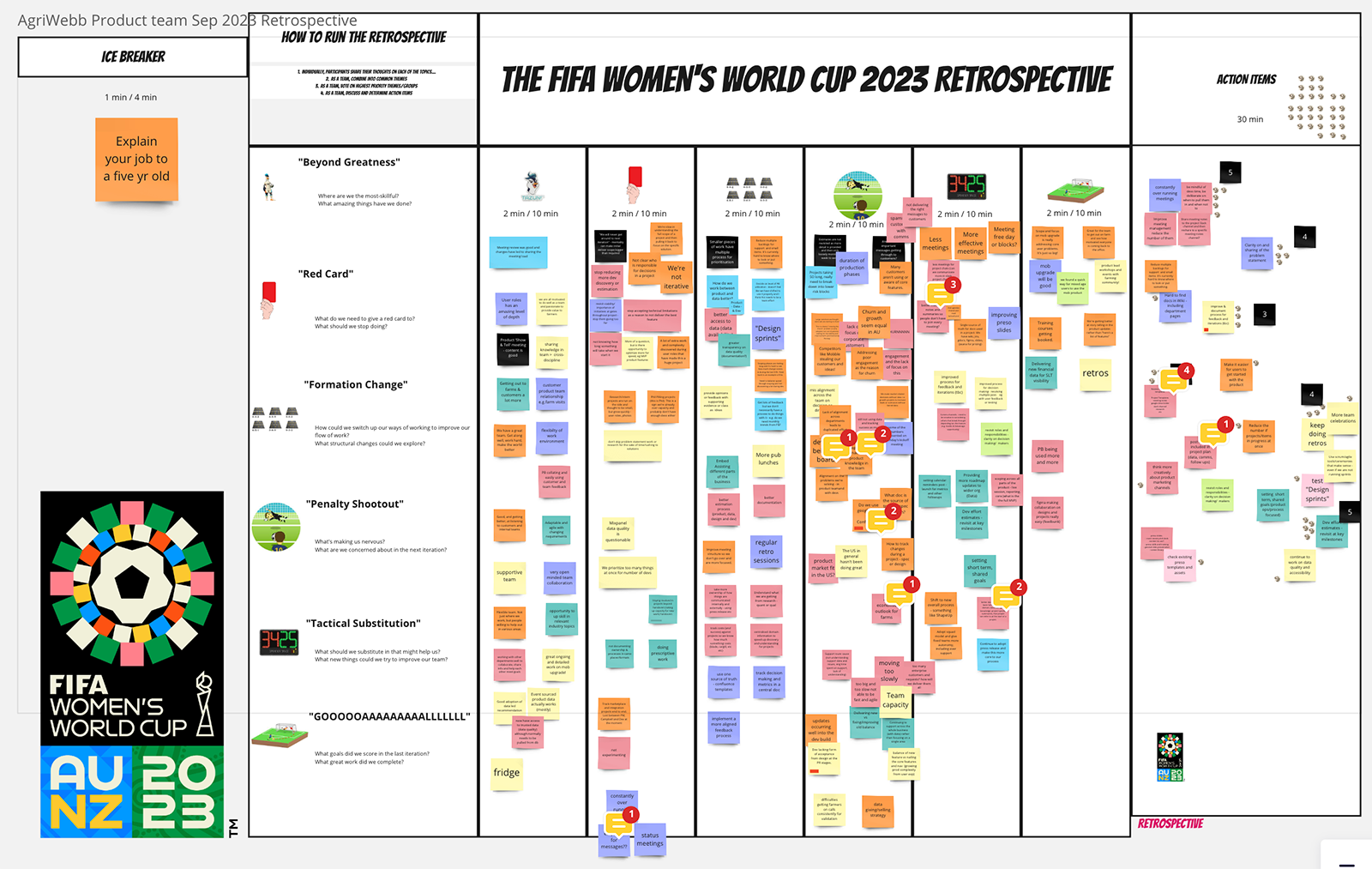
Looking back to move forward! 🚀 Turning feedback into actionable steps.
Section 05 – Outcome & impact
Adopting the Shape Up workflow transformed team collaboration and delivery. Shorter cycles improved timeline predictability and broke down silos between design and development through earlier, more frequent communication. Catching problems early reduced rework and last-minute revisions, leaving more time to polish product details and craft.